Mommy to Bee
As an embroidery designer and product reviewer, I often find myself evaluating new designs with a critical eye—especially when they’re meant for real-world use. Mommy to Bee is one such design that caught my attention. It’s a playful, modern take on a classic theme, and it promises versatility across a range of projects. But what does it actually look like in practice? Let’s dive into the details.
The First Impression
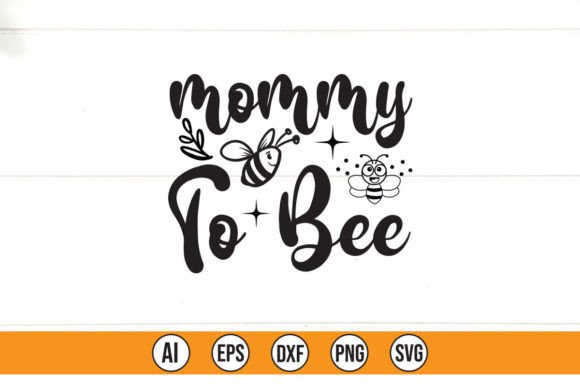
Mommy to Bee immediately evokes a sense of warmth and whimsy. The design centers around a bee-shaped “mom” figure, blending cuteness with a touch of sophistication. The layout is clean and well-balanced, making it ideal for a variety of embroidery applications. The level of detail is impressive—especially for a design that’s meant to be editable and color-changeable. It feels like a design that could easily translate into a handmade product or a commercial item without losing its charm.
The visual personality of Mommy to Bee leans toward casual, family-friendly aesthetics. It’s perfect for items like baby onesies, personalized aprons, or even custom tote bags for mom-and-baby events. The design has a soft, approachable vibe that makes it feel like a natural fit for small business owners looking to create something unique and relatable.
Real-Life Embroidery Performance
When testing Mommy to Bee on different fabrics and projects, I found it performs well in most standard embroidery scenarios. It works particularly well on t-shirts, sweatshirts, and tote bags—projects where the design can be the focal point. The stitch density is moderate, which means it doesn’t overwhelm the fabric, but it still holds up well under normal wear and tear.
For custom apparel, especially in a craft business or Etsy shop, Mommy to Bee offers a great balance between detail and simplicity. It’s not too intricate to cause issues with machine embroidery, but it still provides enough visual interest to stand out. The design also lends itself well to applique techniques, where the bee shape can be layered over other elements for added dimension.
One thing to note is that the design includes a transparent background option, which is a huge plus for mockups and digital previews. This makes it easy to visualize how the design will look on different garments before committing to a full project.
Where to Use Carefully
While Mommy to Bee is versatile, there are some situations where it might not perform as well. For example, on small hoop sizes, the design may require careful placement to avoid distortion. If you’re working with textured fabrics or thin materials, you might need to adjust your stabilizer or thread tension to ensure the design stays crisp.
On dark fabrics, the design may need a bit more contrast in thread colors to stand out. Similarly, on stretchy or curved surfaces like caps, the design might require extra stabilization to prevent puckering or shifting during stitching.
If you're planning to use this design for baby items or products that will see frequent washing, make sure to test it on a sample first. While the design is high-resolution, the durability of the embroidery depends on proper finishing and care instructions.
Impact on Visual Appeal and Customer Trust
Mommy to Bee has a strong visual appeal that can elevate any product it’s used on. Its clean lines and playful style make it instantly recognizable, which is great for branding and marketing. When used on a handmade product or a personalized gift, it adds a professional touch that customers will appreciate.
From a customer perspective, designs like Mommy to Bee can increase trust in your brand. They show that you’ve put thought into the details and that your products are made with care. Whether it’s a custom sweatshirt for a mom-to-be or a holiday gift for a friend, the design helps convey a sense of quality and intention.
For small business owners and Etsy sellers, this design can be a valuable asset. It’s easy to customize, ready for commercial use, and visually appealing enough to attract buyers. It also works well in printable mockups, which can help you showcase your products effectively online.
Practical Designer Notes
Before using Mommy to Bee in any project, I always recommend testing it on scrap fabric first. This helps you understand how the design behaves on different materials and how the stitches interact with the fabric. You’ll also get a better idea of how the colors look in real life versus on a screen.
Check the thread color contrast carefully, especially if you’re planning to use it on dark or light backgrounds. Review the stitch density to make sure it aligns with your project’s needs. Confirm the hoop size required for the design and adjust your machine settings accordingly.
Inspect the small details, like the corners and edges of the bee, to ensure they come out cleanly. Test the design in black and white mockups to see how it looks without color. Compare it against both light and dark fabric backgrounds to make sure it’s versatile enough for your intended use.
Use the right stabilizer for your fabric type. For delicate or stretchy materials, a tear-away or water-soluble stabilizer can help keep the design from distorting. Also, make sure the design works for both personal and commercial projects, and check the licensing terms before selling finished items or digital products.
Final Thoughts
Mommy to Bee is a solid design that offers a lot of potential for creative entrepreneurs, small business owners, and crafters. It’s well-suited for a wide range of embroidery projects, from custom apparel to personalized gifts. With proper preparation and attention to detail, it can become a standout element in your product lineup.
Whether you’re creating a handmade item for a client or designing for a digital marketplace, Mommy to Bee is a reliable choice. Just remember to test it thoroughly and consider the practical aspects of each project before finalizing your work.