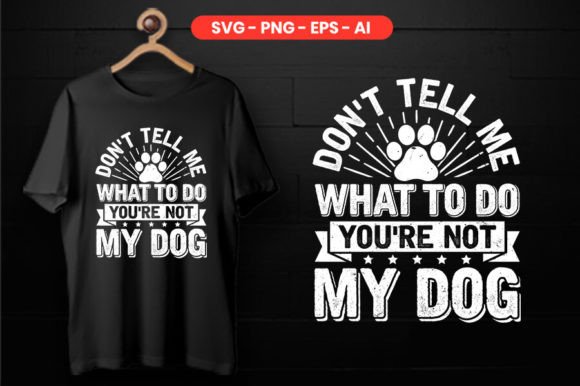
Don't Tell Me What to Do You're Not My
As an embroidery designer and product reviewer, I’ve seen thousands of designs come through my studio. Some are beautiful, some are practical, and a few are just plain fun. Don't Tell Me What to Do You're Not My falls into the latter category—fun, bold, and full of personality. It’s not your typical design, but that’s what makes it stand out.
First Impressions: A Design That Speaks for Itself
The moment I saw Don't Tell Me What to Do You're Not My, I knew it had a unique vibe. The phrase is direct, humorous, and slightly sassy. It's perfect for someone who wants to make a statement without being too serious. The layout is clean, with a playful font that feels like it was designed for a dog owner who's tired of being told what to do. The design has a casual, laid-back feel that would work well on casual wear or as a decorative element in a handmade project.
This design isn’t overly detailed, which is good because it keeps things simple and easy to stitch. The shape is straightforward, making it ideal for machine embroidery. It doesn’t have intricate patterns or tiny details that could be lost in the stitching process. Instead, it relies on strong lines and clear lettering to convey its message.
Real-World Use: Where Does This Design Fit Best?
I tested Don't Tell Me What to Do You're Not My on a few different projects. The first was a custom embroidered tote bag. The design looked great on a cotton canvas fabric, and the colors stood out nicely. It wasn’t too dense, so it didn’t cause any issues with the fabric stretching or puckering. The text was clear and legible, even when stitched at a medium size.
I also tried it on a sweatshirt. The design worked well there too, especially if you’re going for a casual, relaxed look. It would be a great addition to a small business merchandise line, particularly for shops that cater to pet lovers or people who appreciate a bit of humor in their clothing.
For baby items, like onesies or blankets, the design might be a bit too bold. But if you're going for a more whimsical or quirky theme, it could work. Just be sure to test it on a small area first to see how the stitches interact with the fabric.
When to Be Careful: Limitations and Considerations
While Don't Tell Me What to Do You're Not My is a solid design, there are a few situations where it might not perform as well. If you're working with small hoop sizes, the design might be too large to fit comfortably. In those cases, you may need to adjust the size or use a larger hoop.
Textured fabrics can also be a challenge. If the fabric is too rough or uneven, the stitches might not lay flat, and the design could look bumpy or distorted. Thin or stretchy fabrics are another consideration—make sure to use the right stabilizer to prevent puckering or distortion.
Dark fabrics might require a different thread color to ensure the design is visible. Light-colored fabrics, on the other hand, will show the design clearly without much adjustment. If you're planning to use this design on layered garments or curved surfaces like caps, you’ll need to take extra care to ensure the stitches don’t get stretched or misaligned.
Design Performance: Visual Appeal and Practicality
Don't Tell Me What to Do You're Not My is a design that works well in both personal and commercial settings. Its simplicity makes it versatile, and its boldness gives it a strong visual presence. Whether you're creating a personalized gift or a small shop product, this design can add a unique touch that stands out from the crowd.
From a customer perspective, this design could be a hit. People love humor, and this one is lighthearted and relatable. It could be a great conversation starter, especially if it's on a piece of custom apparel or a handmade item. The design also has good potential for branding, especially if you're targeting a niche market like pet owners or people who enjoy a bit of sass in their fashion choices.
In terms of craftsmanship, the design is well-suited for machine embroidery. It doesn’t have too many dense areas, which means it won’t take too long to stitch. The stitch density is appropriate for most fabrics, and the overall structure is consistent enough to avoid problems during the embroidery process.
Practical Designer Notes: Things to Keep in Mind
Before using Don't Tell Me What to Do You're Not My in a real project, there are a few things I recommend doing. First, test the design on scrap fabric to see how it looks and how the stitches behave. This will help you identify any issues before committing to a finished product.
Check the thread color contrast, especially if you're using dark or light fabrics. Make sure the design is visible and clear. Also, review the stitch density to ensure it’s suitable for your chosen fabric type. If the design is too dense, it might cause the fabric to pucker or become stiff.
Confirm the hoop size needed for the design. If it’s too large for your machine, you may need to resize it or use a different method. Inspect small details, like corners or lettering, to make sure they’re sharp and well-defined. Test the design in black and white mockups to see how it looks without color.
Use the right stabilizer for your fabric type. This will help keep the design smooth and prevent any unwanted distortion. Finally, check whether the design is suitable for both personal and commercial use. If you're selling finished items or digital products, make sure you have the proper licensing to avoid any legal issues.
Final Thoughts: A Design with Personality
Don't Tell Me What to Do You're Not My is more than just a simple design—it's a statement. It has the potential to add character to a wide range of projects, from custom apparel to handmade gifts. Its boldness and humor make it stand out, and its simplicity ensures it’s easy to work with.
If you're an embroidery designer, small business owner, or craft entrepreneur, this design could be a valuable addition to your collection. Just remember to test it thoroughly and consider the limitations before using it in a real project. With the right approach, Don't Tell Me What to Do You're Not My can be a fun and effective part of your creative workflow.