Flying Drone T-shirt Design Pilot: A Designer's Review
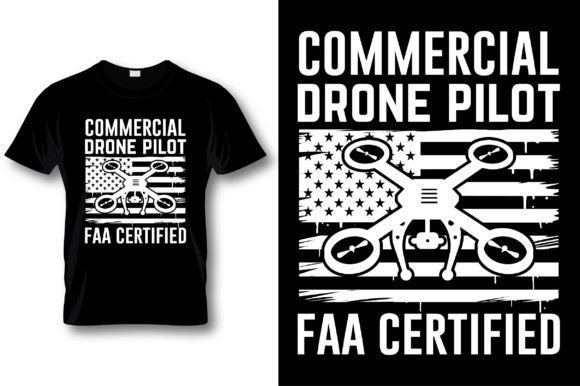
When I first pulled up the Flying Drone T-shirt Design Pilot on my screen, my immediate reaction was one of cautious optimism. As someone who spends hours digitizing and stitching for clients, I know that a graphic that looks sharp on a monitor doesn't always translate well to thread. This specific asset markets itself as a vector suitable for sublimation, but in our world of tactile creation, the real question is whether it holds up as a viable machine embroidery design for custom apparel and handmade goods. The mood of the piece is distinctly modern and tech-forward, capturing that sleek, aerodynamic silhouette that drone enthusiasts instantly recognize. It feels less like a cartoonish doodle and more like a badge of honor for pilots, which gives it strong potential for boutique branding and personalized gifts.
Visual Personality and Layout Assessment
The layout of the Flying Drone T-shirt Design Pilot is clean, with a horizontal orientation that suggests movement. For an embroidery project, this shape is versatile. It fits naturally across the chest of a sweatshirt or along the bottom hem of a tote bag. The visual personality relies heavily on the contrast between the body of the drone and its propellers. In a digital Graphics file, these lines are crisp, but when we talk about converting this into an embroidery file, we have to think about how those lines become stitches. The design avoids overly intricate internal detailing, which is a good sign. Complex gradients in a raster image often turn into a muddy mess of thread if not handled correctly, but this design's bold shapes suggest it could work beautifully with a combination of satin stitch for the outlines and a tight fill stitch for the main body.
What stands out most is the "pilot" theme. It implies a sense of control and expertise. When you are creating a handmade product for a client who flies drones professionally or as a serious hobby, this design speaks their language. It isn't just a picture of a toy; it represents a skill set. This emotional connection is what drives buyer engagement on platforms like Etsy. If you are an Etsy seller looking to expand your catalog beyond generic quotes, offering a high-quality embroidered version of this motif on a cap or patch could be a significant differentiator.
Real-World Application: The Custom Sweatshirt Scenario
To truly test the viability of this design, I imagined a specific real-life scenario: a customer order for a custom sweatshirt embroidery project. The client is a local surveyor who uses drones for land mapping and wants a professional yet stylish look for his team. He needs something that looks good on camera but can withstand outdoor conditions. Placing the Flying Drone T-shirt Design Pilot on the left chest of a heavyweight cotton blend sweatshirt seems like the perfect fit. The horizontal nature of the design balances the pocket area (if present) or sits comfortably above the ribbing.
In this context, the design's simplicity becomes its strength. On a textured fabric like French terry or fleece, a design with too many tiny details would get lost. However, the bold profile of this drone graphic would pop against the looped texture of the fabric. The key here would be selecting the right thread colors. While the original vector might offer 100 color change options, for a professional look, I would stick to a monochromatic scheme or high-contrast pairing—perhaps a slate grey drone on a navy sweatshirt with white accent stitching for the propeller motion lines. This approach elevates the finished product from a simple craft item to a piece of corporate identity.
Navigating Fabric Challenges and Stitch Density
While the design shows promise, there are areas where an experienced decorator must proceed with caution. The description mentions it is a vector for sublimation, which means if you are adapting it for embroidery, you are likely responsible for the digitization or purchasing a pre-digitized version. If you are digitizing it yourself, pay close attention to stitch density. Drone props often have thin, elongated shapes. If these are stitched with too high a density on a stretchy fabric like a jersey t-shirt, the material will pucker, distorting the sleek lines of the aircraft.
For baby embroidery projects, such as a onesie for a future pilot, you would need to scale the design down significantly. This is where the risk lies. Tiny lettering or minute details in the drone's camera lens might disappear entirely if the hoop size is too small or the stitch count is too low. I always recommend testing the design on scrap fabric first, specifically using the same weight and weave as your final garment. If you are working with dark fabric, ensure your underlay stitches are sufficient to prevent the background color from peeking through the fill areas, which can ruin the crispness of the graphic.
Curved surfaces present another hurdle. Applying this to a structured cap requires careful consideration of the push-and-pull factors of embroidery. The horizontal span of the drone might be too wide for the front panel of a standard baseball cap without wrapping around the sides, which can look amateurish. In such cases, simplifying the design to just the central body of the drone or rotating it to a vertical orientation might be necessary to maintain brand consistency and professionalism.
Commercial Value and Market Fit
From a business perspective, the Flying Drone T-shirt Design Pilot offers excellent versatility for a craft business. It bridges the gap between niche hobbyist gear and mainstream tech fashion. For small shop product lines, this design could anchor a collection focused on "Future Tech" or "Sky High" themes. It works exceptionally well for holiday embroidery gifts—think Father's Day for the dad who loves gadgets, or Christmas gifts for the photography enthusiast.
The potential for creating an embroidered patch is also high. Patches are a huge trend right now, allowing customers to add personality to jackets and bags without committing to permanent embroidery on the garment itself. The clean lines of this drone design would stitch out beautifully on twill backing, creating a durable, high-value accessory. Furthermore, because the source file claims to be editable, you have the flexibility to create variations. You could offer a "night mode" version with neon threads for a glow-in-the-dark effect, or a vintage style using muted earth tones for a retro-aviation vibe.
Final Verdict and Technical Recommendations
Ultimately, the Flying Drone T-shirt Design Pilot is a strong contender for your design library, provided you approach it with technical foresight. It is not just a pretty picture; it is a functional graphic that solves a specific need for a defined audience. However, remember that the product description highlights it as a vector for sublimation. If you intend to use it for commercial embroidery, you must verify the licensing terms. Just because a file is editable does not automatically grant rights for unlimited commercial resale of the stitched items, especially if the design incorporates trademarked elements (though this appears to be a generic drone shape).
Before launching this as a T-Shirt Designs bestseller, run your checks. Inspect small details like the landing gear and camera gimbal to ensure they won't cause thread breaks. Compare how the design looks in black and white mockups to guarantee it has enough contrast to stand alone without color reliance. Use a proper stabilizer—likely a cut-away for stretchy fabrics and a tear-away for stable wovens—to ensure the longevity of the stitch. By treating this graphic with the respect it deserves and applying rigorous quality control, you can turn a digital asset into a tangible product that builds customer trust and enhances your reputation as a skilled maker.