Halloween-Spooky Season: A Designer's Field Test
As we approach the peak of the crafting calendar, the pressure to deliver unique, high-quality items for the Halloween market intensifies. I recently took a close look at the Halloween-Spooky Season design to evaluate its potential for real-world embroidery projects. While the product listing categorizes it under Print Templates and Graphics, offering formats like SVG, PNG, DXF, and EPS for digital worlds like scrapbooking and cut machines, my focus was strictly on how this asset translates into a tangible machine embroidery design. For those of us running small shops or managing boutique brands, the difference between a graphic that looks good on a screen and one that stitches out beautifully on fabric is the difference between a return and a repeat customer.
First Impressions and Visual Personality
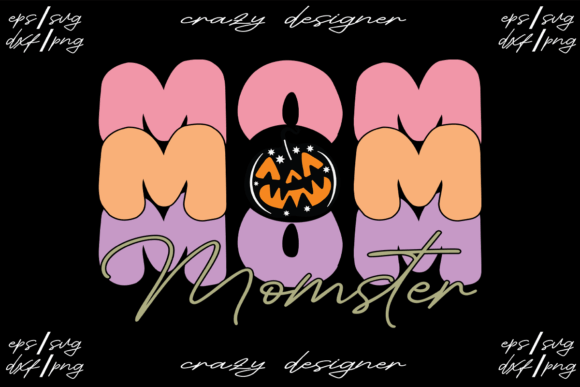
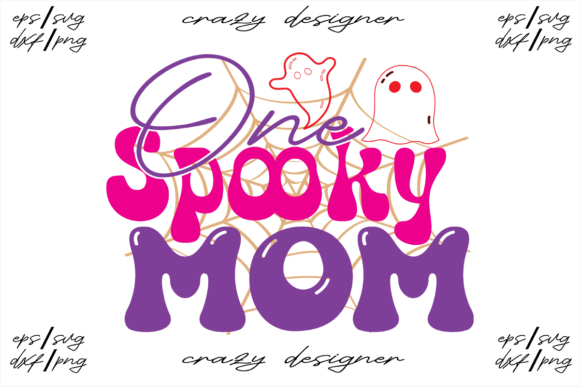
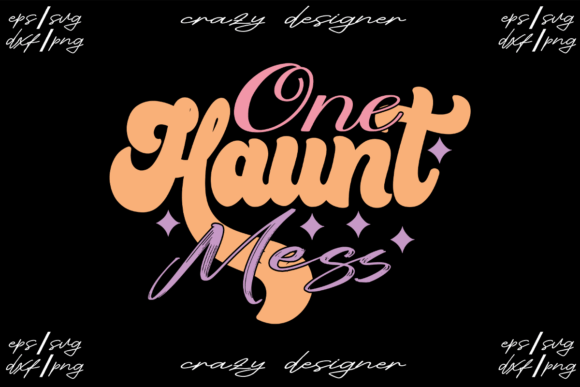
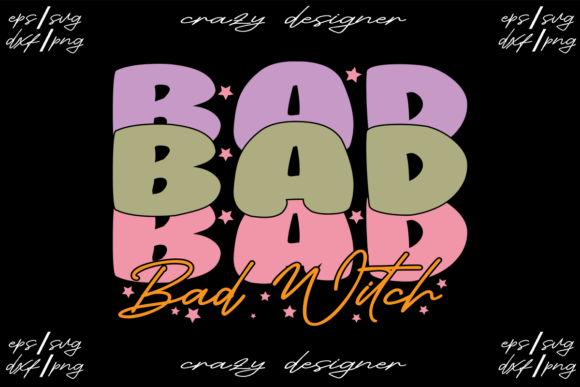
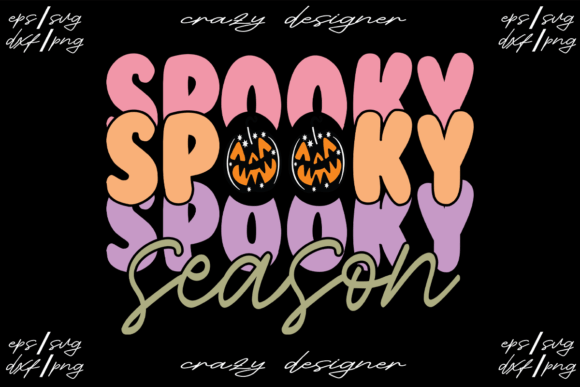
Upon opening the files, the immediate impression of Halloween-Spooky Season is one of playful menace rather than genuine horror. The layout suggests a balanced composition that avoids overly dense clusters, which is a promising sign for stitch clarity. When evaluating a new embroidery file, I always look for how the shapes will translate into thread. Will the fine lines hold up, or will they vanish into the fabric texture? This design appears to have a strong silhouette, making it an excellent candidate for satin stitch borders or bold fill stitch areas that pop against seasonal colors like deep orange, charcoal, and midnight blue.
The visual personality here is versatile. It doesn't scream "children only," nor is it too gritty for family-oriented products. This neutrality is a massive asset for an Etsy seller or craft business owner trying to appeal to a broad demographic. Whether you are aiming for a whimsical nursery vibe or a trendy streetwear aesthetic, the core elements of Halloween-Spooky Season provide a solid foundation without dictating the entire mood of the finished piece.
Real-World Application: The Tote Bag Test
To truly gauge the viability of this design, I mentally walked through a specific production scenario: creating a limited run of custom canvas tote bags for a local fall festival. Canvas is a forgiving yet textured medium, often challenging for designs with intricate details. In this context, Halloween-Spooky Season shines because its forms are distinct enough to remain recognizable even on a woven surface.
Imagine stitching this onto a natural cotton tote using a contrasting thread palette—perhaps a vibrant pumpkin orange on a raw canvas background. The result would be a standout handmade product that feels premium. Because the design avoids microscopic detailing, it reduces the risk of thread breaks or bird-nesting, common issues when rushing production orders. For a small shop product line, consistency is key, and a design that stitches reliably across multiple units is worth its weight in gold. This same logic applies to sweatshirt embroidery; the boldness of the graphic ensures it remains legible on the looped texture of fleece or French terry cloth.
Navigating Fabric Challenges and Hoop Constraints
However, no design is without its limitations, and practical judgment requires knowing where to exercise caution. If you plan to use Halloween-Spooky Season on stretchy fabrics like jersey knits for baby embroidery projects or fitted tees, stabilization is non-negotiable. The density of the stitch pattern, while not excessive, still requires a firm base to prevent puckering. I would strongly recommend using a cut-away stabilizer for these applications to maintain the integrity of the design after repeated washing.
Another consideration is the hoop size. While the digital file scales easily in vector formats like SVG or DXF, embroidery machines have physical limits. If you are adapting this for a cap or a curved surface, you must ensure the scaled version fits within your available frame without compromising the stitch count integrity. Tiny lettering or extremely thin running stitches, if present in the converted version of this graphic, might get lost on dark fabrics or disappear entirely if the thread tension isn't dialed in perfectly. Always test on scrap fabric first. There is no substitute for a physical trial run before committing to a client's garment.
Commercial Viability and Brand Consistency
For the commercial embroidery sector, the value of a design lies in its ability to enhance brand perception. Using Halloween-Spooky Season on corporate gifts or employee apparel can inject a bit of seasonal spirit without looking unprofessional. The clean lines contribute to a polished finished product that reflects well on your brand. Customers trust makers who pay attention to detail; a crisp, well-executed embroidery job signals quality, whereas a messy stitch-out can damage your reputation instantly.
Furthermore, this design serves as a fantastic base for printable mockups. Even before stitching a single thread, you can use the PNG or EPS files to create compelling social media previews or listing images for your online store. This dual utility—as both a digital asset for marketing and a physical asset for production—maximizes your return on investment. It allows you to gauge customer interest in the "Spooky Season" theme before dedicating machine time and materials to a full production run.
Final Verdict and Designer Notes
In conclusion, Halloween-Spooky Season is a robust choice for designers looking to expand their holiday offerings. Its strength lies in its adaptability across various custom apparel items and home decor pieces like pillow covers or tea towels. However, success depends on execution. Here are my top recommendations for working with this file:
- Check Licensing: Since this originates as a graphic template, verify the license terms specifically for commercial embroidery sales. Ensure you are cleared to sell physical items featuring this motif.
- Digitize with Care: If you are converting the SVG/EPS yourself, pay close attention to underlay settings. Proper underlay prevents the fabric from showing through and anchors the top stitches.
- Thread Contrast: Experiment with thread colors. While traditional orange and black work, consider metallic threads for a premium feel or pastels for a "baby's first Halloween" collection.
- Fabric Testing: Always stitch a sample on the exact fabric type you intend to sell. A design that looks perfect on twill might behave differently on silk or performance polyester.
- Wash Testing: Subject your sample to a wash cycle to ensure the stitch density holds up and the design does not distort.
Ultimately, Halloween-Spooky Season offers a blend of festive charm and structural simplicity that makes it a reliable addition to your library of design assets. With the right preparation and attention to textile specifics, it can elevate your seasonal catalog and delight your customers with high-quality, personalized gifts.