Naughty Nice I Regret Nothing: A Designer's Take
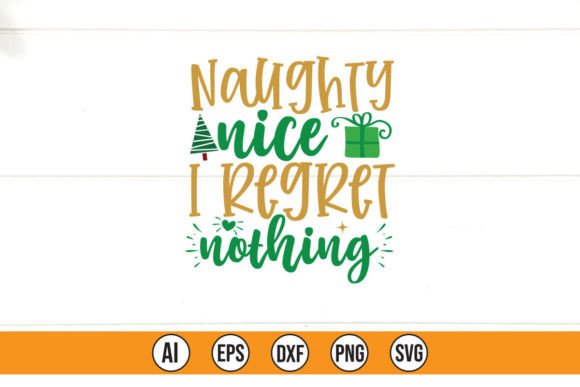
As someone who spends more time staring at stitch previews than actual fabric sometimes, I approach new machine embroidery design files with a mix of excitement and skepticism. We've all been there: you buy a cute graphic, load it up, and realize the density is going to turn your soft cotton into a cardboard shield. That's why when I first laid eyes on the Naughty Nice I Regret Nothing concept, my immediate reaction wasn't just about the cheeky slogan—it was about how this specific layout would translate from a digital embroidery file to a tangible, wearable piece of art.
The mood here is undeniably playful but grounded in a modern, slightly edgy aesthetic. It's not your grandmother's cross-stitch sampler; it feels like something you'd see on a trendy boutique sweatshirt or a custom tote bag at a holiday market. The typography likely plays a huge role in this balance. If the "Naughty" and "Nice" elements are stylized with contrasting fonts—perhaps a script against a bold sans-serif—it creates a visual rhythm that keeps the eye moving. For a designer, this kind of visual personality is gold because it stops the viewer mid-scroll, whether they are browsing an Etsy shop or walking past a craft fair booth.
Real-World Application: The Holiday Rush Scenario
Let's get practical. Imagine it's November, and you have a stack of orders for personalized holiday gifts. You're working on a run of cream-colored canvas tote bags for a local coffee shop's end-of-year client appreciation campaign. This is where Naughty Nice I Regret Nothing shines. The phrase fits perfectly with the "treat yourself" culture that dominates the season. Unlike generic "Merry Christmas" text, this design offers a bit of attitude that appeals to a younger demographic or anyone who appreciates humor.
In this scenario, the versatility of the file formats becomes critical. The product description mentions you get AI, EPS, SVG, and DXF files alongside the standard embroidery formats. As a reviewer, I love seeing this because it means I'm not just buying a static stitch file; I'm buying a design asset. If I need to tweak the layout for a specific hoop size or adjust the spacing before digitizing (if the provided file isn't already stitched out), having the vector source files is a lifesaver. It allows me to ensure the design scales correctly without losing integrity, which is essential for maintaining professionalism in a craft business.
When stitching this onto the tote bag, the texture of the canvas interacts beautifully with the thread. A design like this usually benefits from a mix of stitch types. You might expect a smooth satin stitch for the lettering to give it a premium, raised look, while any graphical elements (like holly leaves or stars often associated with this theme) could utilize a fill stitch to add depth. The key here is managing the stitch density. If the digits are too dense, the fabric will pucker, especially on a flexible item like a bag handle or a curved pocket. My advice? Always run a test on scrap fabric of the same weight. It sounds obvious, but skipping this step is how ruined inventory happens.
Navigating Fabric Choices and Technical Challenges
While this design screams "holiday sweater," we need to talk about where it might struggle. Textured fabrics like heavy wool blends or ribbed knits can be tricky. If the thread colors don't contrast enough with the fabric, the fine details of the lettering might get lost in the weave. For instance, stitching white thread on a heather grey sweatshirt might look great in a printable mockup, but in real life, the texture can eat up the definition. In those cases, opting for a slightly thicker thread or adjusting the underlay settings in your software can make the difference between a crisp finish and a muddy mess.
Another consideration is the stabilizer. For a phrase that likely spans a decent width, using a cut-away stabilizer is often safer than tear-away, especially if the finished product is going to be washed frequently. Nobody wants their "Regret Nothing" motto to warp after the first laundry cycle. If you are applying this to stretchy fabrics like baby onesies or athletic wear, the stability of the background fabric is paramount. The design needs to move with the fabric without breaking stitches or causing distortion.
Dark fabrics present their own challenge. While the product includes high-resolution PNGs with transparent backgrounds to help you visualize placement, remember that screen colors don't always match thread charts. If you are doing sweatshirt embroidery on navy or black, ensure your thread selection pops. Metallic threads could be a fun twist here, adding a festive sparkle to the "Nice" portion of the text, but be careful with tension; metallics are notorious for breaking if the digitizing is too tight.
Commercial Viability and Brand Perception
For Etsy sellers and small shop owners, the value of a design isn't just in how it looks; it's in what it says about your brand. Using a well-executed design like Naughty Nice I Regret Nothing signals that you understand current trends. It shows you aren't just churning out generic items but are curating products with personality. This builds customer trust. When a buyer sees a clean, professional stitch job on a complex phrase, they associate that quality with your entire shop.
The inclusion of mockups in the package is a huge plus for marketing. Before you even stitch a single thread, you can create compelling social media posts or listing images. This saves hours of photography time and allows you to test different color combinations virtually. However, always verify the licensing terms. Just because you have the files doesn't automatically mean you have unlimited commercial rights to sell the digital file itself versus the physical embroidered item. Clarify this before listing products to avoid any legal headaches down the road.
Final Thoughts for the Maker
Ultimately, Naughty Nice I Regret Nothing is a strong contender for your holiday catalog. It bridges the gap between traditional holiday sentiments and modern humor. Whether you are making a custom apron for a baking enthusiast, a patch for a denim jacket, or a pillow cover for seasonal decor, the design holds up well provided you respect the technical limitations of your machine and materials.
My final recommendation is to treat this as a flexible component in your creative toolkit. Use the editable nature of the files to adapt it for different projects—maybe shrink it down for a cuff detail or enlarge it for a back-panel statement on a hoodie. Check the small details, confirm your hoop constraints, and most importantly, have fun with the color choices. After all, if the design says you regret nothing, your embroidery projects should reflect that same confident, carefree spirit.