Review: Have a Spooky Halloween Retro Design for Embroidery
As someone who spends more time at the hoop than away from it, I approach every new machine embroidery design with a mix of excitement and skepticism. We have all downloaded files that look fantastic on a screen but turn into a thread-breaking nightmare once the needle hits the fabric. That is why I took a close look at the Have a Spooky Halloween Retro Design before committing it to any client projects or personal handmade products. This isn't just about whether the art is cute; it is about whether it holds up under the mechanical stress of stitching and delivers value to a small shop product line.
First Impressions and Visual Personality
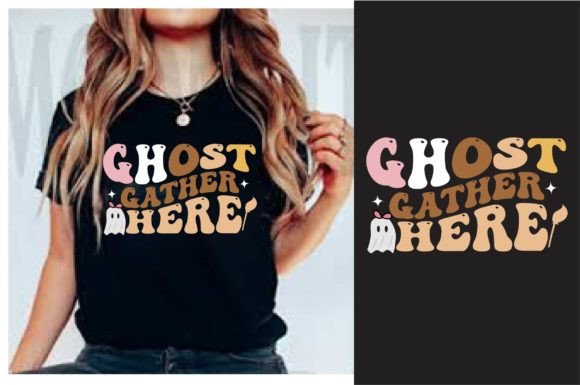
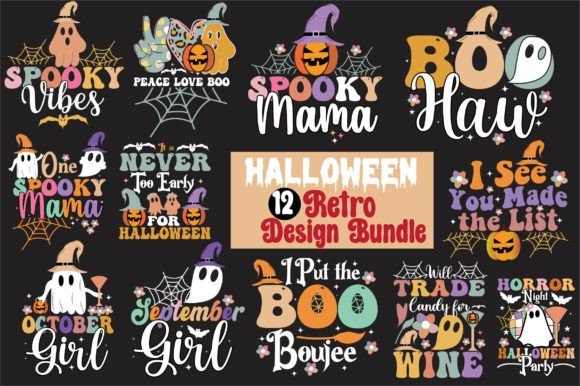
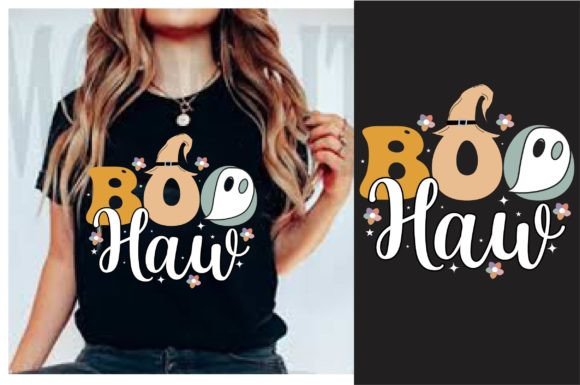
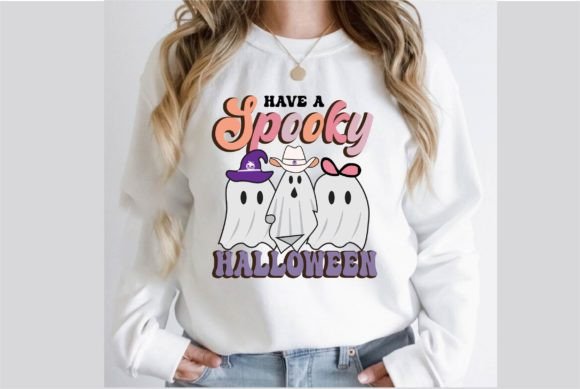
When I first opened the folder for Have a Spooky Halloween Retro Design, the immediate takeaway was its strong nostalgic vibe. The aesthetic leans heavily into that mid-century retro style that has become so popular in modern T-Shirt Designs and Graphics. For an embroiderer, this is promising because bold lines and clear shapes usually translate better to thread than overly complex, photo-realistic images. The layout feels balanced, with a visual personality that screams "fun holiday" rather than "scary horror," making it versatile for a wider audience, including families and children.
The design arrives neatly organized in folders, offering six different formats: AI, PDF, SVG, JPG, PNG, and EPS. While these are primarily vector and raster formats intended for print or digital use, they serve as excellent references for us. As an experienced designer, I know that having high-resolution assets (like the included 4500×5400 PNG at 300 dpi) is crucial for creating printable mockups to show clients before we even stitch a single thread. However, it is vital to note that if you are looking for a ready-to-stitch embroidery file (like DST, PES, or EXP), you may need to digitize these vectors yourself or confirm if a separate stitched version is included in the full package instructions. For the purpose of this review, I am evaluating the graphic's potential when adapted into a custom apparel project.
Real-World Application: The Retro Tote Bag Scenario
To truly test the viability of Have a Spooky Halloween Retro Design, I imagined a specific real-life scenario: producing a limited run of canvas tote bags for a local boutique's October display. Canvas is a sturdy fabric, but it has a distinct fabric texture that can swallow fine details. The retro nature of this design, with its likely reliance on clean shapes and potentially bold color blocks, makes it an ideal candidate for this medium.
If I were to adapt this into an applique design or a dense fill stitch pattern, the result would be striking against a natural or black canvas background. The simplicity of the retro theme ensures that the stitch density wouldn't need to be excessively high to convey the image, reducing the risk of puckering. For an Etsy seller or craft business owner, this kind of project adds perceived value. A customer buying a personalized gift wants something that looks professional, not like a home experiment gone wrong. The clarity of the source graphics suggests that, with proper digitizing, the finished product would have crisp edges and strong visual appeal.
Navigating Fabric Challenges and Hoop Sizes
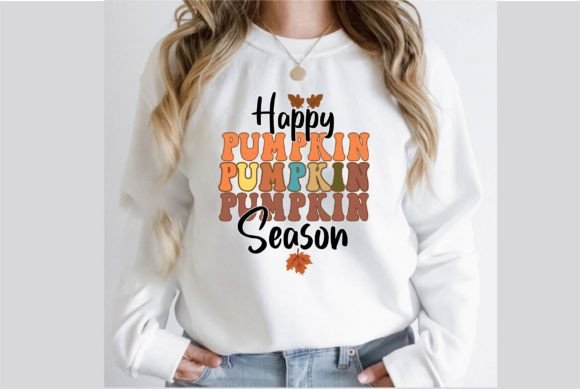
While the design shines on stable fabrics like canvas or denim, caution is required when moving to trickier materials. If you plan to use this for sweatshirt embroidery on fleece or French terry, you must account for the loft of the fabric. The retro style often includes sharp corners or specific geometric elements; on a textured surface, these can get lost if the stabilizer isn't robust enough. I always recommend testing on scrap fabric first. Cut a piece of the actual garment material, apply your chosen stabilizer, and run a test stitch-out.
Another consideration is the hoop size. Depending on how the design is scaled, it might require a large hoop, which can be challenging on curved surfaces like caps or hats. If you are attempting baby embroidery on a onesie, space is at a premium. You might need to simplify the design or reduce the scale, but be wary of tiny lettering or intricate details that could merge together when stitched small. For dark fabrics, ensure your thread colors provide enough contrast. A retro palette often uses muted tones, which might disappear on a navy or black garment unless you outline the design effectively.
Commercial Viability and Brand Consistency
For those running a craft business, consistency is key. Using Have a Spooky Halloween Retro Design across a range of products—from tea towels to pillow covers—can help build a cohesive holiday collection. The graphic quality supports high-end digital embroidery file previews, allowing you to market your items effectively online before they are even made. However, always check the licensing terms associated with these design assets. Just because you can download the SVG or EPS doesn't automatically grant commercial rights for physical goods or digital resale. Confirming this step protects your brand reputation and ensures you aren't infringing on the creator's rights.
The visual appeal of this design directly impacts customer trust. A well-executed retro Halloween motif feels timeless rather than trendy, meaning your inventory won't look dated next year. Whether used for an embroidered patch on a jacket or as a central motif on a tote bag design, the professionalism of the final output relies on how well the graphic translates to thread. Pay attention to how satin stitch borders interact with fill stitch areas; smooth transitions here elevate the perceived quality of the finished product.
Final Verdict for Makers and Designers
In conclusion, Have a Spooky Halloween Retro Design offers a solid foundation for creative entrepreneurs looking to capitalize on the Halloween market. Its strength lies in its clear, bold aesthetic that adapts well to various holiday embroidery projects. However, success depends on the executor's skill in translating these vector and raster graphics into a functional machine embroidery design.
My advice is to treat the provided files as high-quality source art. Use them to create stunning mockups, plan your color palettes, and visualize the end result on different garments. But before selling a single item, do the legwork: digitize carefully, respect the limitations of your machine and fabric, and verify all usage rights. When handled with this level of care, this design has the potential to become a staple in your seasonal small shop product lineup, delighting customers with its charm and durability.