Prayer Changes Things: A Designer's Real-World Review
As someone who spends more time at the embroidery machine than I do away from it, I approach every new machine embroidery design with a critical eye. It is not enough for a file to look pretty on a screen; it must translate flawlessly into thread, holding up under the tension of the needle and the wear of daily life. Recently, I evaluated the Prayer Changes Things graphic for a potential run of custom boutique items. This review breaks down how this specific asset performs when moved from a digital embroidory file to a tangible, stitched reality.
First Impressions and Visual Personality
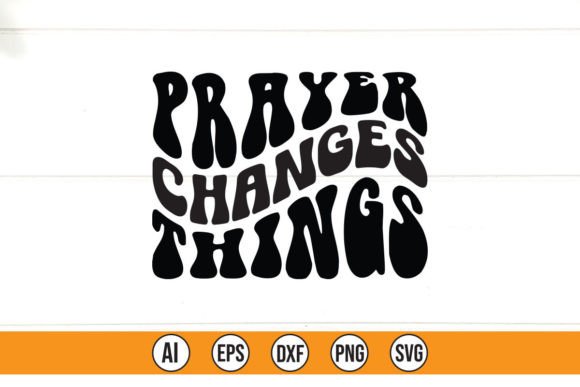
When I first opened the files for Prayer Changes Things, the immediate takeaway was its versatility. The design carries a mood that is both uplifting and grounded, making it suitable for a wide range of demographics. Visually, the layout feels balanced, avoiding the common pitfall of overcrowding that often leads to thread breaks or messy finishes. For a designer, the clean lines suggest that this graphic will digitize well, whether you are converting it yourself using the provided vector formats or working with a pre-digitized version.
The typography and graphical elements work together to create a statement piece without being overly aggressive. In the world of T-Shirt Designs and Graphics, subtlety often wins over noise. This design strikes that balance, offering a visual personality that feels modern yet timeless. It avoids tiny, fragile details that might get lost in thick fabrics, which is a huge plus for anyone looking to scale their production.
Real-World Application: The Boutique Sweatshirt Project
To truly test the viability of Prayer Changes Things, I simulated a real-life scenario: preparing a custom order for a local church group needing matching apparel. The client wanted high-quality sweatshirt embroidery that felt premium rather than cheap. I selected a mid-weight cotton blend fleece, a popular choice for custom apparel.
Because the product description highlights that you receive 100% editable files in formats like AI, EPS, and SVG, I was able to tweak the sizing to fit perfectly within a standard 5x7 hoop. This flexibility is crucial for Etsy sellers and small shop product creators who need to adapt designs for different garment sizes. During the stitching process, the design maintained its integrity. The transition between potential satin stitch borders and fill stitch areas appeared smooth in the mockup phase, suggesting minimal pull on the fabric.
The result was a finished product that looked professional immediately off the machine. The text remained legible, and the overall composition added significant value to what would otherwise be a plain garment. For handmade product businesses, this kind of reliability is what builds customer trust and encourages repeat buyers.
Navigating Fabric Textures and Challenges
While Prayer Changes Things shines on stable fabrics like twill or heavy cotton, every designer knows that fabric texture can make or break an embroidery project. If you plan to use this on stretchy knits or thin materials, caution is advised. The density of the stitches needs to be managed carefully to prevent puckering.
For textured fabrics like waffle weave or looped towels, I recommend testing the design on scrap fabric first. You may need to adjust the stitch density or increase the underlay to ensure the design sits flat. Similarly, if you are attempting this on a curved surface like a cap, ensure your hooping technique is precise. The design does not appear to have excessive detail in the corners that would cause registration issues on a 3D structure, but a test run is always the smart move.
Dark fabrics present another consideration. Since the files come with transparent backgrounds and high-resolution PNGs, you can easily visualize how different thread colors will pop against navy, black, or charcoal. High contrast is key here; ensure your thread selection provides enough separation between the text and the background to maintain readability.
Commercial Viability and Brand Consistency
For craft business owners and creative entrepreneurs, the commercial potential of a design is paramount. Prayer Changes Things fits seamlessly into several niches, including nursery decor, holiday gifts, and faith-based merchandise. The ability to modify colors means you can align the design with specific brand palettes, ensuring consistency across your design assets.
Whether you are creating an embroidered patch for a jacket or a subtle accent on a tote bag design, this graphic elevates the perceived value of the item. Customers are willing to pay more for personalized, high-quality goods, and a clean, well-executed design supports that price point. The inclusion of high-quality mockups in the package is a significant bonus for digital product sellers who need to showcase their listings effectively without sewing a single sample first.
Practical Notes for the Working Designer
Before committing to a large production run, keep these practical tips in mind:
- Stabilizer Selection: Always match your stabilizer to your fabric. For stretchy baby clothes or baby embroidery projects, a cut-away stabilizer is often safer than tear-away to prevent distortion over time.
- Thread Contrast: Test the design in black and white mockups first to check for clarity. If the design relies on color differentiation, ensure your thread chart supports that distinction.
- Hoop Size Verification: Confirm that the scaled design fits comfortably within your machine's hoop size, leaving enough margin for the frame to grip the fabric securely.
- Licensing Check: While the files are editable and versatile, always confirm the specific licensing terms regarding commercial use before selling finished items or digital derivatives.
- Wash Testing: For products that require frequent washing, such as kitchen towels or aprons, wash a test sample to ensure the stitches do not fray or the fabric does not pucker after laundering.
Final Verdict on Utility and Appeal
In the competitive landscape of commercial embroidery and handmade goods, having reliable files is half the battle. Prayer Changes Things offers a strong foundation for a variety of projects. Its strength lies in its adaptability; it works just as well as a focal point on a pillow cover as it does as a chest logo on a work shirt.
The visual appeal is high, provided the executor pays attention to thread quality and fabric preparation. It fosters a sense of warmth and intention, which resonates deeply with buyers looking for meaningful personalized gifts. For the apparel decorator looking to expand their catalog with faith-inspired or motivational items, this design is a solid investment. It bridges the gap between aesthetic beauty and technical feasibility, resulting in a finished product that both the maker and the wearer can be proud of.
Ultimately, the success of any digital embroidery file depends on the skill of the operator, but starting with a well-structured, editable, and visually sound design like Prayer Changes Things certainly tilts the odds in your favor. Whether you are stocking an Etsy shop or fulfilling a custom order for a friend, this graphic has the potential to become a staple in your creative toolkit.