Living My Best Life: A Designer's Review for Real Embroidery
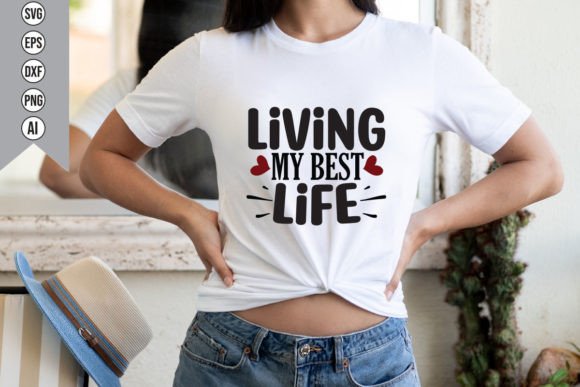
When I first pulled up the Living My Best Life design on my screen, I wasn't just looking at a pretty phrase; I was immediately scanning for stitch potential. As someone who spends hours hooping fabric and trimming jump stitches, my first impression is always practical. Does this layout breathe? Is the typography bold enough to hold up under thread tension? This graphic carries a mood of effortless confidence and modern positivity, which translates beautifully into the tactile world of embroidery. The visual personality suggests a relaxed, lifestyle-oriented aesthetic that fits perfectly with current trends in boutique apparel and handmade home goods.
The shape and flow of the lettering feel organic yet structured. In a machine embroidery design, flow is everything. If the letters are too tight or the kerning is off, the thread will bridge poorly, creating a messy finish. From what I can see in the preview, the spacing looks generous enough to accommodate a solid fill stitch without becoming a dense puckering nightmare. This kind of layout naturally belongs on projects where comfort meets style—think oversized sweatshirts, canvas tote bags, or even a cozy pillow cover for a reading nook.
Putting It to the Test: A Real-World Scenario
To truly evaluate this asset, I imagined a specific client request: a custom order for a local yoga studio owner who wanted branded merchandise for her upcoming retreat. She needed something that felt personal but professional, suitable for both custom apparel and retail sale. Living My Best Life jumped out as the ideal candidate. I envisioned it stitched in a soft sage green or a warm terracotta on a heather grey French terry sweatshirt.
In this scenario, the design acts as the centerpiece. Because the phrase is universally uplifting, it appeals to a wide demographic, making it a safe bet for an Etsy seller looking to expand their inventory without niche limitations. The reaction from the hypothetical customer would likely be one of immediate connection; people love wearing their affirmations. However, the success of this finished product relies heavily on execution. The design needs to look crisp, not like a blob of thread. The fact that this comes as a high-resolution file with editable options suggests we can tweak the scale to ensure the stitch density remains appropriate for the chosen fabric texture.
Versatility Across Products and Materials
One of the strongest aspects of this graphic is its adaptability. While it is categorized under T-Shirt Designs, limiting it to cotton tees would be a mistake. This design shines when applied to textured fabrics where the dimensionality of the thread adds value. Imagine this as an embroidered patch sewn onto a denim jacket or a backpack. The bold lines would stand out against the rugged denim, creating a statement piece.
For those running a craft business, versatility means profit. You could use this same digital embroidery file for:
- Baby embroidery: Scaling it down for a onesie or burp cloth set (provided the details remain clear).
- Holiday embroidery: Stitching it onto kitchen towels or aprons as a housewarming or Christmas gift.
- Commercial embroidery: Creating bulk orders for corporate wellness programs or team-building events.
- Nursery decor: Hooping it onto a linen pillow cover for a modern baby shower gift.
The inclusion of vector formats like AI, EPS, and SVG alongside the embroidery-specific DXF means you aren't just stuck with one application. You can use the vector files for printable mockup creation, allowing you to showcase the design on various products before you ever thread a needle. This is crucial for small shop product listings where visual presentation drives sales.
Critical Considerations for Execution
However, enthusiasm must be tempered with technical caution. Not every surface is ready for Living My Best Life. If you are planning to stitch this on a curved surface like a cap, you need to be extremely careful. Caps require specialized digitizing to account for the curvature; a flat design might distort or cause registration issues on the front panel. Similarly, if you are working with thin or stretchy fabric, such as a lightweight rayon tee, the weight of the thread could cause the garment to warp.
Small hoop sizes present another challenge. If the design includes intricate corners or tiny connecting elements, cramming it into a 4x4 hoop might compromise the stitch clarity. Always check the dimensions against your machine's capabilities. Furthermore, dark fabrics require a thoughtful approach to thread colors. A light thread on black fabric looks striking, but if the design has open spaces or running stitches, the background fabric might peek through, ruining the legibility. In such cases, a layer of topping stabilizer is non-negotiable to keep the stitches floating cleanly above the nap of the fabric.
Enhancing Brand Value and Customer Trust
Ultimately, the choice of design affects your brand consistency. Using a high-quality, well-balanced graphic like Living My Best Life signals professionalism. Sloppy stitching or poorly scaled designs erode customer trust, but a clean, vibrant handmade product encourages repeat business. The "best life" message implies quality and care; your stitching must reflect that sentiment. When a buyer holds a tote bag with this design, the tactile feel of the satin and fill stitches should reinforce the positive message of the text.
For design assets intended for resale, the editability mentioned in the product description is a goldmine. Being able to change colors allows you to create seasonal variations—pastels for spring, deep jewel tones for winter—without needing a new design entirely. This flexibility supports a dynamic Etsy listing strategy where you can test different colorways to see what resonates with your audience.
Final Designer Notes and Best Practices
Before committing to a production run, I always advise a rigorous testing phase. Do not skip the step of stitching this on scrap fabric that matches your final material. Check how the stabilizer interacts with the fabric; sometimes a cut-away is better than tear-away for long-term durability, especially on items that will be washed frequently like t-shirts and towels.
Review the stitch density closely. If the design feels too heavy, consider reducing the density slightly in your software to prevent stiffness. Inspect small details under magnification if possible; are the sharp points of the letters actually sharp, or do they round off? Test the design in both light and dark backgrounds to ensure contrast is sufficient. And finally, while the product mentions "100 editable" and "100 color changeable," always confirm the specific licensing terms regarding commercial embroidery projects. Ensure you have the right to sell finished physical items versus digital files.
In conclusion, Living My Best Life is more than just a slogan; it is a versatile tool for the creative entrepreneur. With the right preparation, attention to fabric texture, and careful hoop selection, it can elevate a simple piece of cloth into a cherished personalized gift or a best-selling small shop product. It bridges the gap between digital convenience and the timeless appeal of hand-crafted quality.