Pumpkins in Watercolor Style: A Designer's Review
As a designer who spends more time staring at stitch simulations than I do sleeping, I approach new design assets with a healthy dose of skepticism. We have all seen the flood of generic autumn graphics that look great on a screen but turn into a muddy mess once the needle hits the fabric. So, when I pulled up the Pumpkins in Watercolor Style set to evaluate it for an upcoming client project, my primary goal was to determine if this hand-drawn illustration could survive the transition from a digital Graphics file to a tangible, stitched reality.
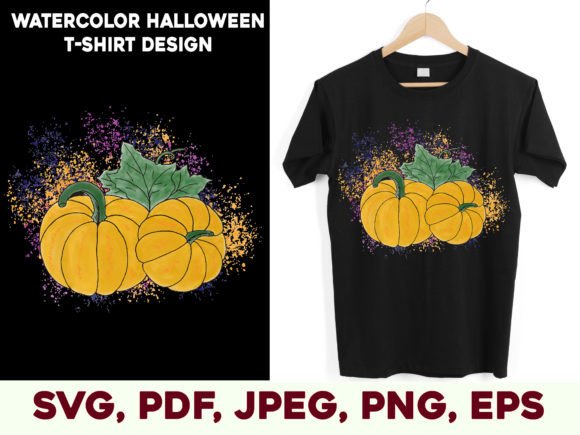
The first impression is undeniably charming. The mood created by these ripe orange, green, and yellow pumpkin elements is warm, organic, and distinctly farmhouse-chic. Unlike the rigid, vector-perfect pumpkins we often see in standard T-Shirt Designs, these carry a softness that mimics actual watercolor bleeding. For an embroidery project, this presents both an exciting opportunity and a specific technical challenge. The visual personality suggests a product that feels handmade and curated, perfect for boutique branding rather than mass-produced uniformity.
Visualizing the Stitch-Out Reality
To truly test the viability of Pumpkins in Watercolor Style, I imagined a specific real-life scenario: a custom order for a local coffee shop looking for limited-edition fall merchandise. They wanted high-quality tote bags and aprons for their baristas. This is where the rubber meets the road. The design features overlapping elements and varied hues that rely on color blending to achieve that watercolor effect. In a digital mockup, this looks seamless. However, in a physical embroidery project, achieving this look requires careful planning regarding thread colors and stitch types.
If you are digitizing this yourself from the provided EPS, or if you are using a pre-made machine embroidery design based on these graphics, you must consider how the "hand drawn" lines translate to thread. A pure fill stitch approach might make the pumpkins look too solid and blocky, losing the airy watercolor vibe. Instead, I would recommend a combination of lighter density fills and perhaps some running stitch outlines to mimic the sketch-like quality of the original illustration. The goal is to maintain the organic feel without creating a stiff, cardboard-like patch on the fabric.
Ideal Applications for Small Shops and Makers
This design set shines brightest when applied to products that benefit from a softer, artistic touch. For Etsy sellers and craft business owners, the Pumpkins in Watercolor Style elements are ideal for:
- Tote bag design: The organic shapes complement canvas textures beautifully, making for a stylish fall accessory.
- Sweatshirt embroidery: Placed on the chest or sleeve, these pumpkins add a subtle seasonal flair to cozy fleece without overwhelming the garment.
- Baby embroidery: The gentle curves and warm colors are perfect for onesies or nursery blankets, avoiding the harshness of bold, cartoonish graphics.
- Kitchen textiles: Tea towels and aprons made from linen or cotton blends are excellent candidates, as the rustic aesthetic matches the fabric choice.
- Printable mockup: Even before stitching, these graphics serve as stunning design assets for creating digital previews for your small shop product listings.
The versatility here is significant. Because the background is white in the source file, isolating the pumpkin elements for an applique design or a cut-file project is straightforward. This allows makers to create layered looks, perhaps combining fabric scraps with embroidery to enhance that handmade product feel.
Technical Considerations and Fabric Constraints
While the aesthetic appeal is high, practical execution requires caution. The watercolor style implies gradients and soft edges, which can be tricky on certain materials. If you are working with textured fabrics like heavy waffle weave or looped terry cloth, the fine details of the hand-drawn lines may get lost. Similarly, on stretchy fabrics like jersey knits, you must be vigilant about using the correct stabilizer. Without proper support, the stitch density required to fill in those rich orange and green tones could cause puckering, distorting the pumpkin shapes and ruining the finished product.
Dark fabric presents another hurdle. The original description notes a white background, meaning the design relies on light-to-medium thread values. If you attempt to stitch these directly onto a navy or black custom apparel item without a light-colored underlay or applique base, the colors will appear dull and muted. For dark garments, I strongly suggest creating an applique base or using a dense satin stitch border to frame the design, ensuring the vibrant autumn vegetables pop against the darker backdrop.
Furthermore, consider the hoop size relative to the detail level. If you are scaling this down for a small embroidered patch or a hat front, the intricate "hand drawn" texture might become indistinguishable. Tiny details often merge when stitched at less than 2 inches wide. Always test the design on scrap fabric of the same weight and texture as your final material before committing to a client order.
Building Trust and Brand Value
Ultimately, the choice of design impacts customer trust and brand perception. Using a generic, low-quality graphic can make a handmade product feel cheap. Conversely, utilizing a thoughtful, well-executed set like Pumpkins in Watercolor Style elevates the perceived value of the item. It signals to the buyer that care was taken in the selection and creation process. For commercial embroidery projects, this attention to detail translates to higher price points and better customer engagement.
When presenting these items as personalized gift options or holiday inventory, the emotional connection is key. The watercolor style evokes nostalgia and warmth, fitting perfectly for holiday embroidery themes. Whether it is a baby item for a shower or a kitchen towel for a hostess gift, the design feels intentional and special.
Final Verdict and Designer Notes
Before integrating Pumpkins in Watercolor Style into your workflow, here are a few critical steps to ensure success:
- Check Licensing: Since you receive an EPS file, confirm the license terms regarding commercial use. Ensure you are allowed to sell finished physical items or if there are restrictions on redistributing the digital files themselves.
- Digitize with Intent: If converting the EPS to an embroidery file, pay close attention to stitch direction. Follow the natural curve of the pumpkins to enhance the 3D effect.
- Test Color Contrast: View your digitized version in black and white to ensure the different pumpkin elements separate clearly from one another without relying solely on color.
- Review Stitch Density: Keep densities moderate to maintain fabric drape, especially for wearable items like t-shirts and caps.
- Mockup First: Create a printable mockup to show clients exactly how the watercolor effect will be interpreted in thread, managing expectations regarding the final look.
In conclusion, Pumpkins in Watercolor Style offers a refreshing departure from standard autumn clipart. With its hand-drawn charm and versatile color palette, it is a strong contender for designers looking to create unique, high-value small shop products. However, its success lies entirely in the execution. By respecting the limitations of the medium and choosing the right fabrics and stabilizers, you can transform these digital graphics into stunning, tactile pieces that customers will love.