Review: I Put the Boo in Boujee Retro Design
As someone who spends most of their day staring at stitch simulations and threading needles, I approach new machine embroidery design files with a healthy dose of skepticism. We have all been there: you download a cute graphic, load it onto your machine, and halfway through the run, you realize the density is too high for the fabric or the lettering is so small it will turn into a bird's nest. That is why I took a close look at the I Put the Boo in Boujee Retro Design before committing it to a client project. This isn't just about whether the image looks good on a screen; it is about how it translates into thread, hoop, and fabric.
The first thing that strikes me about this Graphics package is its versatility. While it is categorized under T-Shirt Designs, the inclusion of vector formats like AI, EPS, SVG, and PDF alongside high-resolution PNGs means this is a hybrid asset. For us embroidery folks, the raster images (JPG and PNG at 4500×5400 pixels) are fantastic for creating printable mockup previews to show clients before we ever stitch a single thread. However, the real work begins when we consider digitizing this retro phrase for actual production.
Visual Personality and Project Fit
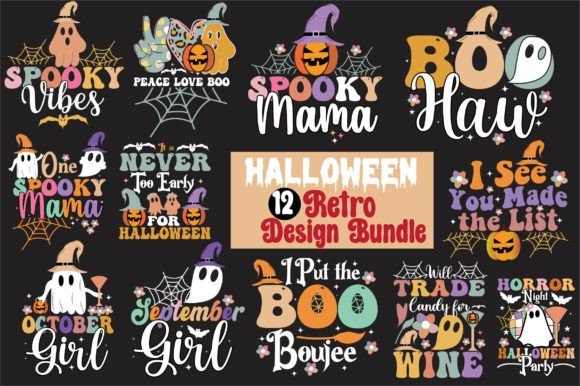
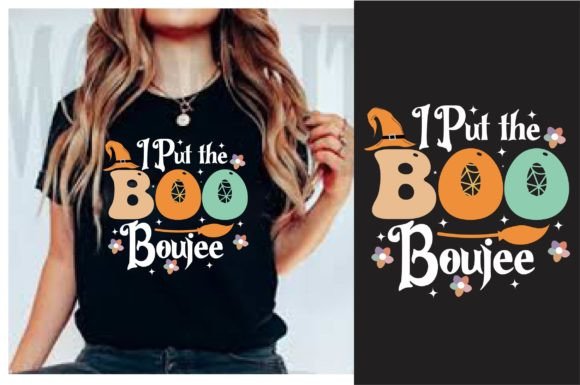
The mood of the I Put the Boo in Boujee Retro Design is undeniably playful yet chic. The "retro" aspect suggests rounded typography and perhaps some groovy flourishes that scream 1970s nostalgia. When evaluating a design like this for a handmade product, I immediately think about where this attitude fits best. It feels right at home on a oversized crewneck sweatshirt or a canvas tote bag design. The phrase itself—"I Put the Boo in Boujee"—has a sassy confidence that appeals to a specific demographic, likely young adults or fashion-forward parents looking for unique custom apparel.
In a real-world scenario, imagine you are preparing a batch of gifts for a bridal party or a holiday exchange. You want something that feels personalized but not overly sentimental. This design hits that sweet spot. If you were to apply this as an embroidered patch on a denim jacket or a cap, the bold lettering would stand out beautifully against textured fabrics. The layout seems compact enough to fit within standard hoops, but you must verify the specific dimensions once you open the folders. The organization of the files into neat folders is a huge plus for workflow efficiency, saving you time hunting for the right version during a rush order.
Stitching Considerations and Fabric Choices
Here is where my experience as a reviewer comes into play. Since this product provides graphic files rather than pre-digitized embroidery formats (like PES or DST), you or your digitizer will need to convert these vectors into stitch data. This gives you control, but it also places the responsibility on you to get the technical details right. When turning this digital embroidery file concept into reality, pay close attention to the stitch density.
Retro fonts often have thick, bold lines that can tempt you to use heavy fill stitch settings. Be careful. If you are stitching this onto a stretchy fabric like a jersey knit sweatshirt embroidery project, too much density will cause the garment to pucker and distort. I recommend testing a sample on scrap fabric first. Use a cut-away stabilizer for knits to ensure the design holds its shape after washing. For woven materials like tote bags or pillow covers, a tear-away stabilizer might suffice, but always err on the side of more support rather than less.
Another critical factor is the thread colors. The retro vibe usually calls for specific palettes—mustards, burnt oranges, or creamy off-whites. Ensure there is enough contrast between your thread choice and the fabric color. If you are working on a dark garment, you might need to adjust the underlay stitches in your digitizing software to prevent the fabric from peeking through the letters. Also, watch out for tiny details in the "Boujee" script. If the original graphic has very fine tails or sharp corners, these can be problematic for satin stitch columns if they are too narrow. You may need to simplify some vectors before digitizing to ensure clean edges.
Commercial Viability and Brand Consistency
For Etsy seller accounts and small shop owners, consistency is key to building trust. Using a high-quality source image like the 300 dpi PNGs included in this pack ensures that your marketing materials look professional. When customers see a crisp printable mockup on your listing, they have higher confidence in the finished product. The I Put the Boo in Boujee Retro Design offers a level of polish that elevates a simple text design into a boutique-style item.
However, before listing this as a small shop product, you must review the licensing terms provided in the instruction folder. Just because you own the file does not automatically grant unlimited commercial rights for every type of usage. Confirm whether you can sell the physical embroidered items or if there are restrictions on selling the digital design itself. Assuming the license permits commercial use for physical goods, this design is a strong contender for holiday embroidery collections, particularly for Halloween or Valentine's Day given the "Boo" reference, though its retro style makes it year-round viable.
Practical Tips for Execution
To get the best results from this design, keep these practical notes in mind:
- Test First: Never run a new design on a customer's garment without a test run on similar fabric weight.
- Check Hoop Size: Even though the files are organized, measure the actual design area to ensure it fits your machine's hoop, especially if you plan to do baby embroidery on smaller items like onesies.
- Digitizing Strategy: If you are converting the SVG or EPS yourself, consider using a combination of satin stitch for the outlines and a light fill for larger areas to reduce bulk.
- Curved Surfaces: If applying this to a cap, remember that the curvature requires specific digitizing compensation to prevent the text from looking warped.
- Wash Testing: Products that need frequent washing, like kitchen towels or aprons, require secure locking stitches at the start and end of each color block.
In conclusion, the I Put the Boo in Boujee Retro Design is a solid foundation for creative entrepreneurs. It bridges the gap between graphic design and textile art. While it requires the extra step of digitizing for embroidery machines, the quality of the source assets makes that process smoother. Whether you are making a personalized gift for a friend or expanding your catalog of commercial embroidery offerings, this design has the visual personality to engage buyers. Just respect the technical limitations of your materials, double-check those license instructions, and let your stitching skills bring this retro vibe to life.