Review: Line Art of Yoga in Fire Log Pose for Stitchers
As a designer who spends more time staring at stitch maps than most people stare at their phones, I approach every new machine embroidery design with a healthy dose of skepticism. We have all been there: you buy a beautiful graphic online, load it onto your machine, and halfway through the run, you realize the density is all wrong or the details are going to disappear into the fabric texture. That is why I took a close look at the Line Art of Yoga in Fire Log Pose before committing it to any client project. This isn't just a vector illustration; it is a potential asset for your craft business, but only if you understand how to translate those clean digital lines into thread.
The Aesthetic: Minimalism Meets Mindfulness
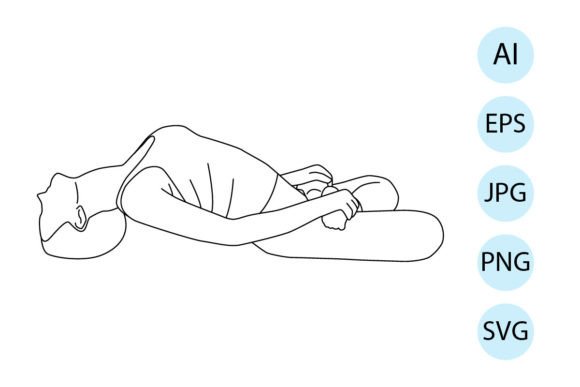
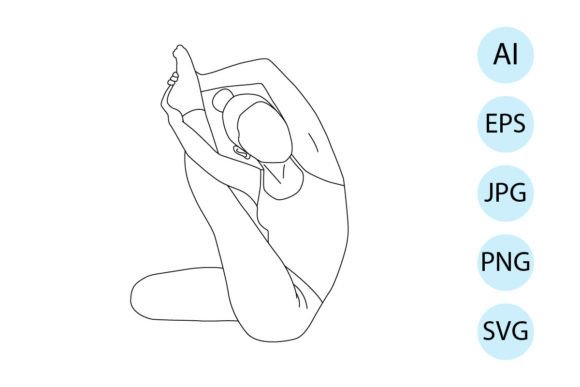
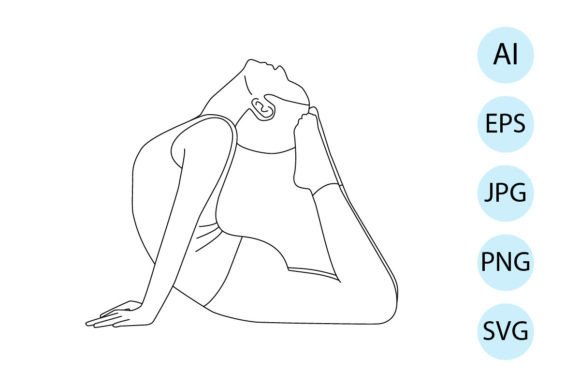
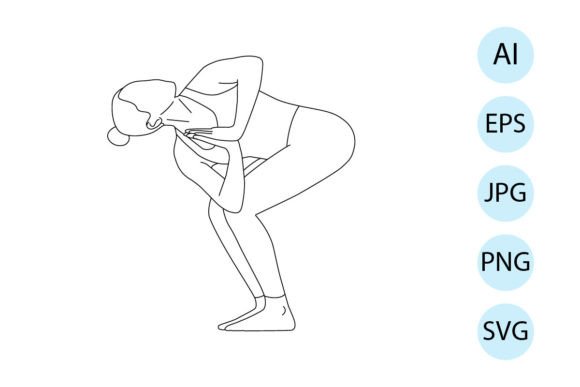
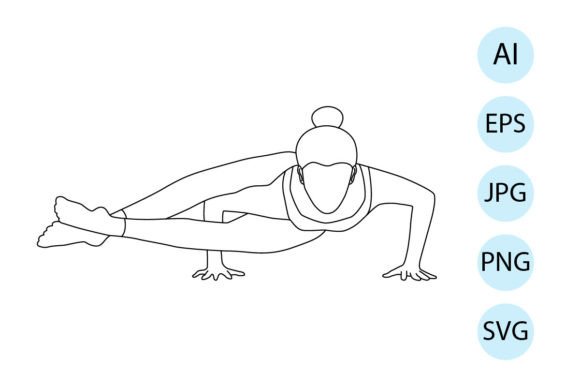
The first thing that strikes me about this Illustrations piece is its calmness. The Fire Log Pose, or Agnistambhasana, is a complex shape involving stacked legs and a grounded torso. In many graphics, this can look cluttered or confusing when reduced to simple outlines. However, this specific line art manages to capture the essence of the pose without unnecessary noise. The mood is serene, making it an ideal candidate for wellness branding, yoga studio merchandise, or personal handmade product lines focused on self-care.
Visually, the layout feels balanced. For an embroidery project, this is crucial. When we move from screen to hoop, negative space becomes just as important as the stitched areas. The open nature of this line art suggests it will breathe well on fabric, avoiding that heavy, cardboard-like feel you get from overly dense fills. It has the personality of a modern sketch, which translates beautifully into contemporary custom apparel.
Real-World Application: The Tote Bag Test
To truly evaluate this design, I imagined a specific real-life scenario: a custom order for a local yoga instructor needing branded tote bag design items for her upcoming workshop. She wanted something subtle yet recognizable. The Line Art of Yoga in Fire Log Pose fits this brief perfectly. On a canvas tote, the linear quality of the design would stand out sharply against the textured weave of the fabric.
If I were stitching this for her, I would likely opt for a monochromatic thread scheme—perhaps a deep charcoal or navy on a natural cotton canvas. This approach highlights the silhouette of the pose without distracting from the simplicity of the line work. It creates a finished product that looks high-end and boutique rather than mass-produced. The design's clarity ensures that even from a distance, the pose is identifiable, which builds brand consistency and customer trust. For an Etsy seller or small shop owner, this kind of visual recognition is gold.
Beyond tote bags, this graphic is versatile enough for sweatshirt embroidery. Imagine a small chest logo on a heather grey crewneck. The minimal lines prevent the garment from feeling weighed down, maintaining the soft drape of the fleece. It also works wonderfully as a personalized gift for a yogi friend, perhaps stitched onto a kitchen towel or a pillow cover for their meditation corner.
Technical Considerations for the Hoop
While the aesthetic is strong, we must talk about the technical execution. Since the source material is described as a vector illustration intended for various uses like posters and mugs, it is not inherently an embroidery file. This is a critical distinction. You cannot simply load a vector into your machine and expect magic. You, or your digitizer, need to convert this into a format your machine understands, paying close attention to stitch density and pathing.
When adapting this Graphics asset for embroidery, here are the specific challenges you need to address:
- Stitch Type Selection: Given the "line art" nature, a running stitch or a very narrow satin stitch is likely your best bet. Avoid fill stitch unless you are creating an applique design background, as filling the entire shape might lose the delicate linear vibe.
- Fabric Texture: On textured fabrics like towels or thick sweatshirts, thin running stitches can sink in. You may need to increase the stitch length slightly or use a thicker thread weight to ensure visibility.
- Small Hoop Sizes: If you plan to use this on caps or baby clothes, ensure the details of the stacked legs do not become too tight. Tiny corners in the line work can cause thread breaks if the turn is too sharp for the needle.
- Dark Fabric: Line art relies on contrast. If stitching on dark fabric, ensure your thread color pops. A test run on scrap fabric is non-negotiable here to check if the lines remain distinct.
Where to Use Caution
This design shines on flat, stable surfaces. However, be careful when applying it to highly stretchy fabrics or curved surfaces like baseball caps without proper stabilization. The long, continuous lines of the yoga pose could pucker if the tension isn't managed perfectly. Additionally, because it is line art, there is no dense coverage to hide minor misalignments. Precision in your hooping and stabilizer choice is paramount. For items that will undergo frequent washing, like baby embroidery projects or kitchen linens, consider reinforcing the start and end points of your stitches to prevent unraveling over time.
Boosting Product Value and Engagement
From a business perspective, using a distinct image like the Line Art of Yoga in Fire Log Pose can significantly elevate your small shop product lineup. Customers are drawn to designs that tell a story or reflect a lifestyle. This pose speaks to balance, flexibility, and grounding—values that resonate deeply with the target demographic. When presented correctly, such as in a high-quality printable mockup showing the design on a lifestyle product, it increases buyer engagement.
The professionalism of the final stitch reflects directly on your brand. A clean, crisp line art embroidery suggests attention to detail and artistic taste. Whether you are selling holiday embroidery gifts or year-round commercial embroidery services, the perceived value of a well-executed minimalist design often allows for a higher price point than generic, clip-art style motifs.
Final Designer Notes and Best Practices
Before you list this as a design assets item in your shop or stitch it for a client, keep these practical steps in mind:
- Digitize with Intent: If you are converting the vector yourself, pay attention to the underlay. Good underlay prevents the fabric from showing through the lines and stabilizes the stitch path.
- Check Licensing: The product description mentions usage for t-shirts, posters, and more, but always confirm the specific license terms regarding commercial embroidery and resale of finished items versus digital files.
- Test Contrast: Run tests on both light and dark backgrounds. What looks great in black and white on screen might vanish on a navy blue hoodie.
- Verify File Formats: Ensure you have access to the correct digital embroidery file formats compatible with your specific machine brand (Brother, Janome, Bernina, etc.) if purchasing a pre-digitized version, or have the software to convert the vector if buying the graphic only.
- Inspect Details: Zoom in on the intersection of the legs in the Fire Log Pose. Ensure the digitizing doesn't create a messy clump of threads where the lines cross.
In conclusion, the Line Art of Yoga in Fire Log Pose is a promising candidate for modern embroidery projects. Its strength lies in its simplicity and emotional resonance. However, its success depends entirely on thoughtful execution. By respecting the limitations of thread and fabric, and by treating the vector as a blueprint rather than a final stitch map, you can create stunning embroidered patch styles, apparel, and home decor that customers will love. It is a reminder that in our craft, the bridge between a digital idea and a tactile reality is built on patience, testing, and a keen eye for detail.